Stock Lot Paper Exporter in New York City
Need a Trusted Stock Lot Paper Exporter in New York City NY?
Are you looking for a dependable partner to supply quality paper products for your printing or packaging operations?
Sterling Paper & Pulp Inc. is your premier stock lot paper exporter in New York City NY, strategically positioned in one of the world’s busiest import and export hubs to serve businesses globally. With our extensive industry knowledge and commitment to excellence, we deliver the paper and pulp materials your business needs to thrive in today’s competitive marketplace.
Your Premier Surplus Paper Supplier in New York City NY
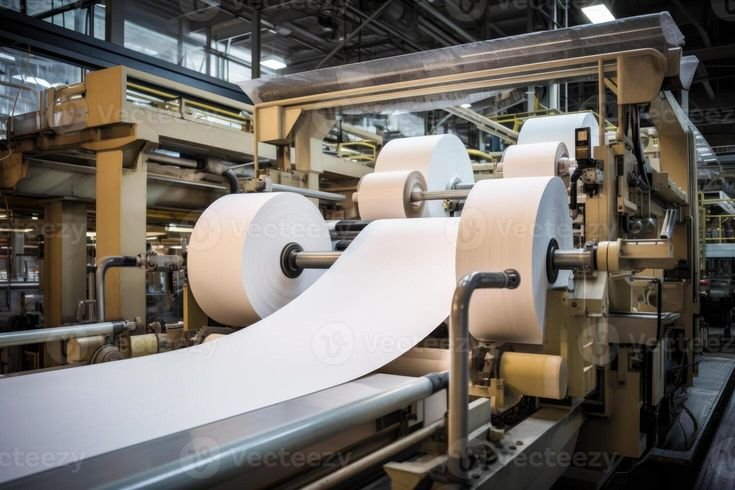
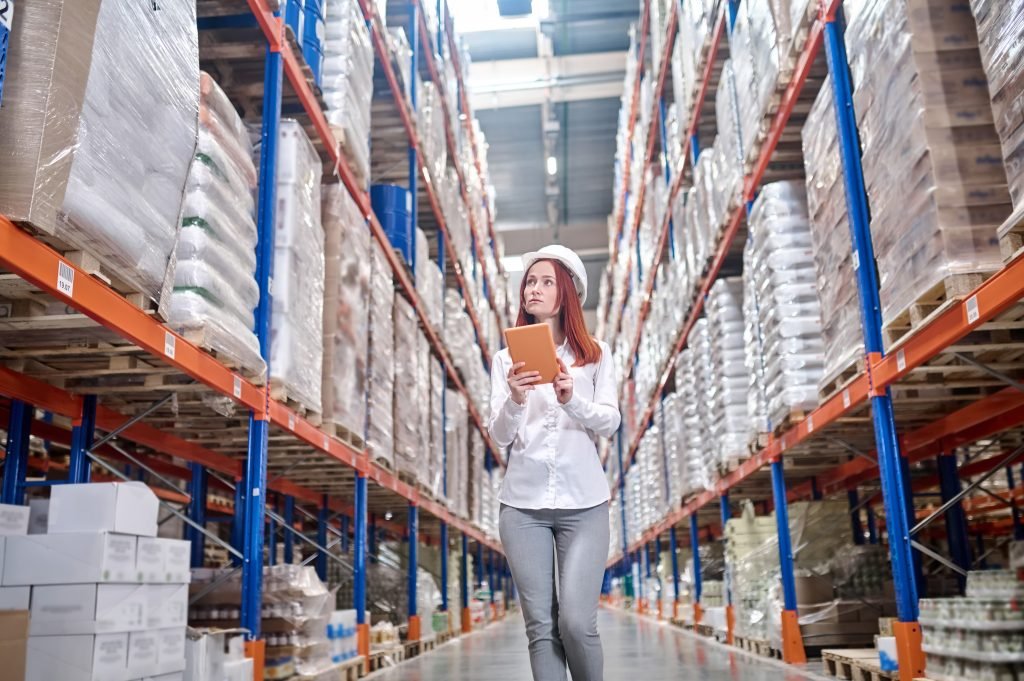
At Sterling Paper & Pulp Inc., we recognize that the printing and packaging industries demand both quality and value. As a leading surplus paper supplier in New York City NY, we specialize in sourcing premium surplus paper stock from manufacturers, printers, and distributors across the region. Our location in New York City gives us unmatched access to one of North America’s largest import and export hubs, allowing us to serve customers efficiently across continents.
The advantages of working with a New York City-based exporter extend beyond geography. Our proximity to major shipping ports, including the Port of New York and New Jersey, ensures faster transit times and more competitive shipping rates. We handle every aspect of the export process, from initial inquiry through customs clearance and final delivery, making your procurement experience seamless and stress-free.
Leading Industrial Waste Paper Exporter in New York City NY
Sustainability drives modern business, and Sterling Paper & Pulp Inc. proudly serves as an industrial waste paper exporter in New York City NY. We help companies reduce their environmental footprint while recovering value from materials that would otherwise be discarded. New York City’s vast printing and packaging industries generate substantial amounts of industrial waste paper, and we’ve built efficient systems to collect, grade, and export these materials to buyers worldwide.
Our industrial waste paper services encompass manufacturing trim, printer overruns, mill broke, and warehouse clearances. Each batch undergoes careful inspection and grading to meet international standards and buyer specifications. This quality assurance process ensures that materials arriving at your facility are suitable for your intended applications, whether recycling, reprocessing, or manufacturing new products.
As an exporter of plastics films foils in New York City NY, we’ve expanded our capabilities to serve as a comprehensive materials supplier. This diversification allows packaging companies to consolidate their supply chain, reducing vendor management complexity while maintaining competitive pricing across all material categories.
Reliable Paper Pulp Exporter in New York City NY
Quality paper production begins with quality pulp. Sterling Paper & Pulp Inc. operates as a trusted paper pulp exporter in New York City NY, connecting manufacturers with virgin and recycled pulp grades from reputable mills. Our pulp sourcing network spans North America and beyond, ensuring consistent supply even during market fluctuations that can affect availability.
We provide various pulp grades including kraft pulp, chemical pulp, and mechanical pulp, each suited for specific printing and packaging applications. Our technical expertise helps you select the optimal pulp grade for your production needs, whether you’re manufacturing packaging materials, printing papers, tissue products, or specialty items. This knowledge, combined with our position as a waste grade paper exporter in New York City NY, makes us invaluable for businesses seeking reliable material supplies.
New York City’s status as a global trade center benefits our customers through established logistics networks and streamlined customs procedures. We leverage these advantages to provide faster delivery times and more predictable shipping schedules than exporters in less connected locations.
Partner with New York City's Export Leader
When you need a dependable stock lot paper exporter in New York City NY, Sterling Paper & Pulp Inc. delivers unmatched value through our strategic location in a major import and export hub, deep industry expertise, and unwavering commitment to customer satisfaction. Our services support printing companies, packaging manufacturers, and businesses worldwide with quality materials at competitive prices. Contact us today to discover how our New York City advantage can strengthen your supply chain and improve your bottom line.
Committed Recycled Paper Exporter in New York City NY
Environmental responsibility isn’t optional—it’s essential for modern business success. As a dedicated recycled paper exporter in New York City NY, Sterling Paper & Pulp Inc. actively supports the circular economy by keeping valuable materials in productive use. The printing and packaging industries generate significant paper waste, and our recycling-focused approach transforms this waste into valuable resources for manufacturers worldwide.
Our recycled paper offerings include old corrugated containers, sorted office paper, mixed paper grades, and specialty recyclables. Each category meets rigorous sorting and grading standards to ensure processing facility compatibility. By sourcing recycled paper from Sterling Paper & Pulp Inc., you reduce costs while demonstrating your commitment to sustainable business practices—an increasingly important factor for printing and packaging companies serving environmentally conscious clients.
We maintain strong partnerships with recycling facilities and paper mills throughout the region, enabling us to offer reliable supply regardless of market conditions. Our expertise in industrial paper exports in New York City NY means we understand complex international trade regulations and can navigate them efficiently on your behalf, eliminating headaches and ensuring compliance.
Frequently Asked Questions (FAQs)
New York City serves as one of the world’s premier import and export hubs, with direct access to the Port of New York and New Jersey—the largest port on the East Coast. This strategic position provides superior shipping infrastructure, established customs procedures, competitive freight rates, and connections to global trade routes, making it ideal for paper exporters serving international markets.
- What are the shipping advantages of the Port of New York and New Jersey?
The Port of New York and New Jersey handles over 7 million container units annually, offering frequent sailing schedules, multiple shipping lines, and direct routes to Europe, Asia, Latin America, and Africa. This high volume creates competitive pricing and reliable service, with container ships departing daily to major global destinations, reducing wait times and improving delivery predictability.
- How does port proximity affect paper export costs?
Proximity to major ports significantly reduces inland transportation costs, warehousing expenses, and transit time to vessels. Paper exporters near the Port of New York and New Jersey save on trucking fees, minimize handling steps that could damage products, and can respond quickly to shipping opportunities, potentially saving 15-30% on logistics costs compared to inland locations.
- What customs advantages does New York City offer for exporters?
New York City’s customs infrastructure includes experienced personnel, streamlined electronic documentation systems, and efficient processing procedures developed over centuries of international trade. This expertise reduces clearance delays, minimizes documentation errors, and provides exporters with knowledgeable support for navigating complex international trade regulations.
- How does New York City’s business infrastructure support paper exporters?
The city offers extensive warehousing facilities, sophisticated logistics networks, access to freight forwarding services, banking and trade finance institutions, and a large pool of experienced international trade professionals. This infrastructure enables paper exporters to operate efficiently, scale operations quickly, and access specialized services that smaller markets cannot provide.
- What role do freight forwarders play in New York City’s export ecosystem?
Freight forwarders in New York City handle documentation, customs brokerage, cargo insurance, container booking, and door-to-door delivery coordination. Their concentration in the region creates competitive pricing and specialized expertise in paper product handling, including moisture protection, proper loading techniques, and damage prevention during ocean transit.
New York City and its surrounding region host thousands of printing companies, from small specialty shops to large commercial printers producing magazines, catalogs, books, and marketing materials. These businesses generate substantial surplus paper through overruns, specification changes, and canceled orders, creating a steady supply stream for exporters while requiring ongoing paper supplies for their operations.
- What types of surplus paper come from New York City’s printing industry?
Commercial printers generate coated and uncoated paper overruns, partially used paper rolls, trim waste from cutting operations, rejected sheets from quality control, and inventory from discontinued jobs. Magazine and catalog printers produce high-quality coated paper surplus, while book printers generate uncoated stocks. This variety provides exporters with diverse inventory to serve different international markets.
- Why do printing companies prefer selling surplus locally rather than shipping it elsewhere?
Local sales eliminate transportation costs, provide faster payment, reduce storage time and associated expenses, and simplify logistics. Printing companies in New York City can call nearby exporters to remove surplus material within days rather than coordinating long-distance shipments, freeing valuable warehouse space for active production materials.
- How does printing industry seasonality affect surplus paper availability?
Printing demand peaks before holidays, back-to-school seasons, and major retail periods, creating increased surplus afterward. January typically sees high surplus volumes as calendar and holiday material production ends, while late summer brings overruns from catalog printing. Exporters who understand these patterns can anticipate inventory availability and plan accordingly.
- What printing applications require specific paper grades that exporters supply?
Magazine printing requires coated paper with high brightness and smoothness, direct mail needs lightweight yet opaque stocks, book printing uses various uncoated grades, packaging printing requires kraft and coated boards, and commercial printing demands diverse coated and uncoated sheets. Exporters who stock these specific grades serve both surplus buyers and printers needing replacement inventory.
The packaging industry consumes enormous paper quantities for corrugated boxes, folding cartons, paper bags, protective wrapping, and e-commerce shipping materials. With online retail growth and sustainability trends favoring paper over plastic, packaging manufacturers worldwide seek reliable paper suppliers, creating strong demand for exporters who can provide kraft paper, linerboard, recycled containerboard, and specialty packaging grades.
- What paper grades are most important for packaging manufacturing?
Kraft paper (both virgin and recycled) forms the foundation for corrugated boxes and paper bags, linerboard creates the outer layers of corrugated containers, medium provides the fluted middle layer, folding carton board makes retail packaging boxes, and specialty papers include greaseproof, moisture-resistant, and printed packaging materials. Each grade has specific strength, weight, and performance characteristics for different packaging applications.
- How has e-commerce growth affected demand for packaging paper?
E-commerce has dramatically increased corrugated box consumption as more products ship directly to consumers, with some estimates showing 15-20% annual growth in packaging material demand. This surge creates opportunities for paper exporters serving packaging manufacturers in developing markets where e-commerce is expanding rapidly but local paper production hasn’t kept pace.
- What makes recycled paper attractive for packaging applications?
Recycled paper costs 15-30% less than virgin materials, meets strength requirements for most packaging applications, appeals to environmentally conscious brands and consumers, and is increasingly mandated by sustainability regulations. Packaging represents the ideal use for recycled paper since appearance matters less than functionality, unlike printing applications where brightness and smoothness are critical.
- Which global regions have the strongest demand for imported packaging paper?
Southeast Asia (Vietnam, Thailand, Indonesia), India, Mexico, and Latin American countries show robust demand due to growing manufacturing sectors, expanding e-commerce, rising consumer goods production, and insufficient local paper production capacity. These markets rely on imports from major export hubs like New York City to meet packaging needs for both domestic consumption and export-oriented manufacturing.
International waste paper quality follows standards set by organizations like the Paper Stock Institute of America (PSIA) and the Bureau of International Recycling (BIR), which define grades based on fiber content, contamination levels, moisture content, and prohibited materials. Common grades include OCC (Old Corrugated Containers), SOP (Sorted Office Paper), and various mixed paper classifications, each with specific purity and composition requirements.
- How do exporters ensure waste paper meets international quality standards?
Reputable exporters conduct visual inspections of each bale or load, test moisture content (typically must stay below 12-15%), remove prohibited materials (plastics, metals, waxed paper), verify fiber composition matches grade specifications, and maintain detailed documentation. Many use third-party inspection services before container loading to provide buyers with independent quality verification and reduce disputes.
- What are outthrows and how do they affect waste paper quality?
Outthrows are prohibited contaminants that don’t belong in a specific paper grade—things like plastic bags in office paper bales, waxed cardboard in OCC loads, or construction debris in mixed paper. Standards typically allow 1-2% outthrows for premium grades and up to 5% for lower grades. Excessive outthrows can result in load rejection, financial penalties, or damage to exporter reputation.
- Why is moisture content critical in waste paper exports?
High moisture content (above 15%) adds unnecessary shipping weight, increases costs, promotes mold growth during ocean transit, causes paper deterioration, and can damage entire containers. Moisture also creates handling difficulties at receiving facilities and reduces pulping efficiency. Exporters must store paper in dry conditions and inspect materials before loading to maintain proper moisture levels.
- How has China’s waste paper import ban affected the global market?
China’s National Sword policy (2018) and subsequent bans dramatically shifted global waste paper flows, redirecting millions of tons to Southeast Asian countries, India, and other markets. This created new opportunities for exporters who adapted quickly, established relationships in emerging markets, and upgraded quality control to meet stricter purity requirements. Prices and demand patterns shifted significantly, making market knowledge essential for successful waste paper exporters.
International paper exports require commercial invoices, packing lists, bills of lading (ocean or air), certificates of origin, phytosanitary certificates (for some countries), fumigation certificates (if required), customs declarations, and sometimes inspection certificates. Additional documents may include insurance certificates, letters of credit, and specific import permits required by destination countries, all of which must be accurate and complete to avoid customs delays.
- What is a phytosanitary certificate and when is it needed for paper exports?
A phytosanitary certificate is an official document confirming that paper products are free from plant pests and diseases. Some countries require these certificates for paper exports to prevent introduction of foreign insects or pathogens, particularly for virgin paper products or materials containing wood components. The USDA or state agricultural departments issue these certificates after inspection, adding 1-3 days to the export process.
- Which countries most commonly require phytosanitary certificates for paper imports?
China, India, Indonesia, Australia, and New Zealand frequently require phytosanitary certificates for paper imports, especially for virgin paper, wood pulp, and materials with visible wood content. Requirements vary by product type and change periodically, so exporters must verify current regulations for each destination before shipping. Some countries exempt recycled paper or certain processed grades from this requirement.
- How long does obtaining export documentation typically take?
With organized processes, standard export documentation takes 2-4 business days to prepare and process. Phytosanitary certificates add 1-3 days, specialized inspections may require 3-5 days, and first-time exports to new countries might need 1-2 weeks for permit applications. Experienced exporters in New York City maintain templates and relationships with certifying agencies to minimize documentation timelines.
- What are the consequences of incorrect export documentation?
Documentation errors can cause customs holds delaying delivery by days or weeks, result in fines and penalties from customs authorities, lead to container storage fees at ports, cause shipment rejection requiring expensive returns, and damage business relationships with buyers. In New York City’s high-volume port, even minor errors create cascading delays, making accuracy essential. Repeat violations may trigger increased scrutiny on future shipments.
Quality disputes are resolved through pre-shipment inspections, third-party survey companies, arbitration clauses in contracts, photographic evidence, and industry standards that define acceptable quality parameters. Reputable exporters provide detailed product specifications upfront, offer samples before large purchases, maintain quality documentation, and work collaboratively with buyers to resolve issues fairly when they arise.
- What role do third-party inspection companies play in paper exports?
Third-party inspection companies provide independent verification of paper quality, quantity, and specifications before container loading. Inspectors check grade accuracy, measure moisture content, verify weight, photograph materials, assess contamination levels, and issue certificates that protect both buyer and seller. Using inspections reduces disputes, builds buyer confidence, and provides objective evidence if disagreements occur.
- When should buyers request pre-shipment inspections?
Buyers should request inspections for first-time purchases from new suppliers, high-value orders, materials going to sensitive applications requiring precise specifications, waste paper grades where quality varies significantly, or when previous shipments had issues. The inspection cost (typically $300-800) is minimal compared to the risk of receiving substandard materials worth tens of thousands of dollars.
- How are inspection costs typically handled in paper export transactions?
Inspection costs are usually shared between buyer and seller or incorporated into the product price, depending on negotiated terms. For established relationships with consistent quality history, inspections may become less frequent. First-time buyers often pay inspection costs to verify supplier quality, while sellers sometimes offer to cover inspections to demonstrate confidence in their materials and build trust.
- What contractual protections help prevent quality disputes?
Effective contracts include detailed product specifications with acceptable tolerance ranges, clear grading standards referenced by name (PSIA, BIR codes), defined inspection procedures and timing, specified remedies for quality failures (price adjustment, replacement, rejection), force majeure clauses, and arbitration procedures. Terms should state who bears costs for inspections, re-shipments, and quality claims, eliminating ambiguity that leads to disputes.